The Real Comes to Miami
Cultural Diplomacy, Institutional Innovation, and a Strategic Vision for the Americas
When Madrid’s celebrated Teatro Real arrives in Miami this October, audiences will hear much more than an orchestra on tour.
The immediate occasion is the October 17 appearance of the Teatro Real Orchestra at the Adrienne Arsht Center, conducted by Gustavo Gimeno and featuring Joaquín Rodrigo’s beloved Concierto de Aranjuez alongside Rimsky-Korsakov’s dazzling Scheherazade. But the visit represents something larger than a single evening of music.
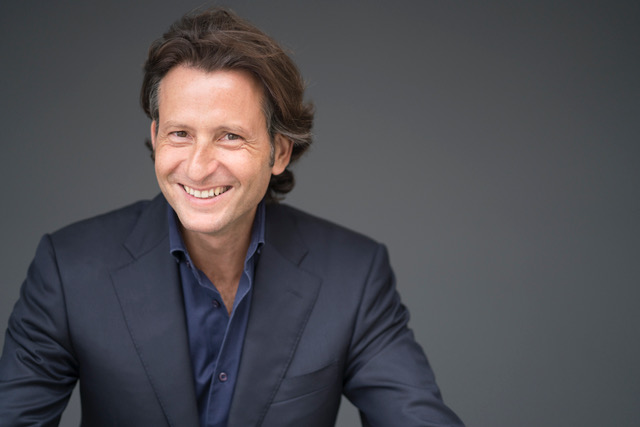
During a recent trip to Miami, General Director Ignacio García-Belenguer and Deputy Director Borja Ezcurra outlined a vision that extends well beyond the concert hall. For the Teatro Real, international presence has become an essential part of artistic life. In an increasingly connected cultural world, excellence alone is no longer enough. Visibility, partnerships, innovation, and audience development matter as much as what happens on stage.
Miami occupies a special place in that equation. Few cities combine such strong ties to both Europe and Latin America while maintaining a growing cultural identity of their own. Spanish is part of everyday life here, and the city’s expanding arts scene has made it an increasingly attractive destination for international institutions seeking new audiences and collaborations.
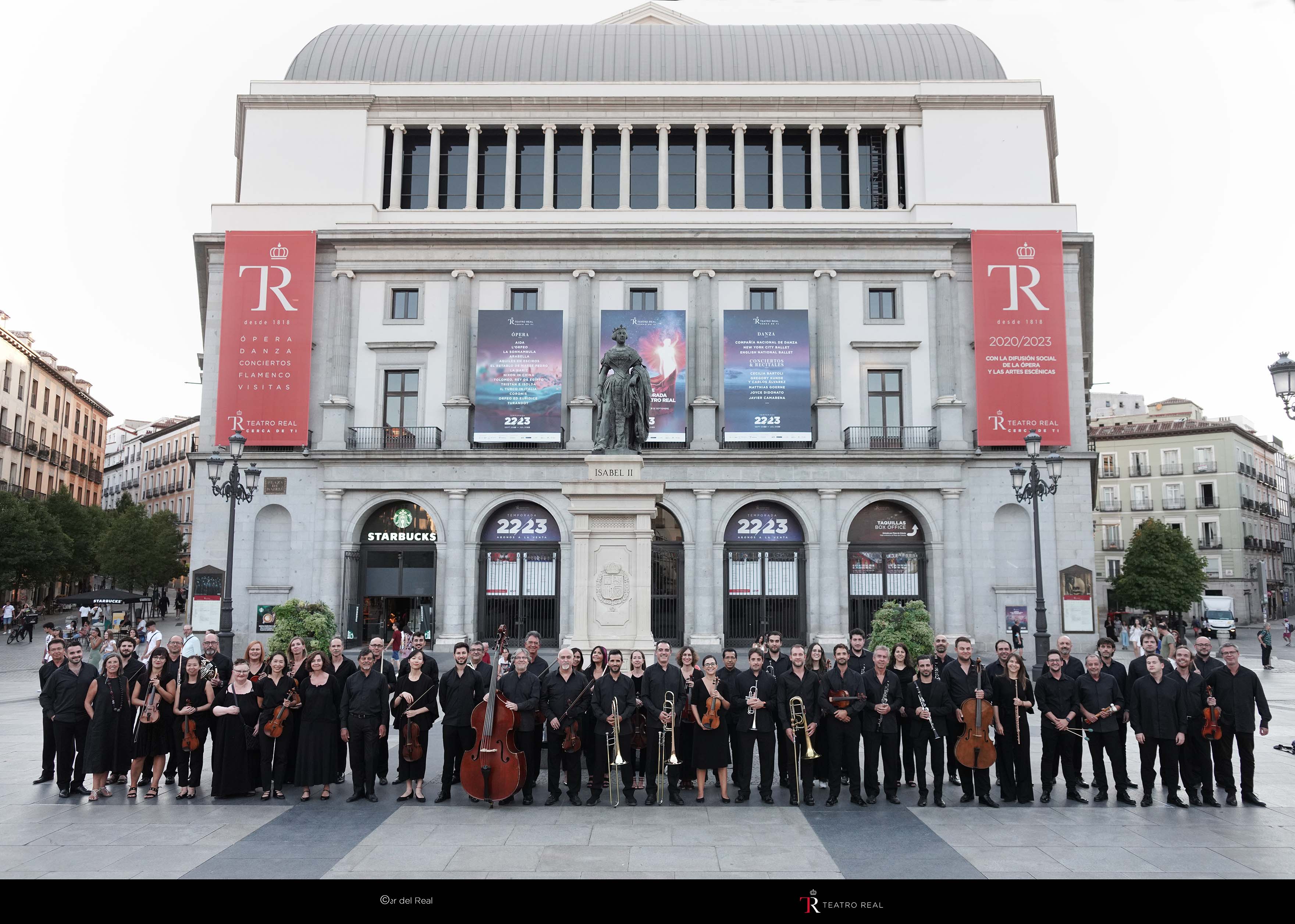
Particularly intriguing is the ensemble making the journey. Unlike many touring orchestras, the Teatro Real Orchestra spends most of its life in the opera pit, accompanying singers and shaping dramatic worlds from behind the scenes. Miami audiences will have the unusual opportunity to hear these musicians front and center, revealing an ensemble whose artistry is often hidden from view.
The Teatro Real itself has undergone a remarkable transformation. Founded in 1818 and reopened in its modern form in 1997 after decades of interruptions and reconstruction, it has become one of the most dynamic opera houses in the world. Named Opera Company of the Year at the International Opera Awards in 2021, it now belongs in the same international conversation as the Metropolitan Opera, La Scala, and London’s Royal Opera House.
Part of that success comes from a balanced approach that combines artistic ambition with financial discipline, technological innovation, environmental responsibility, and a serious commitment to attracting younger audiences. At a time when arts organizations across the world are reexamining their missions and models, the Teatro Real arrives not simply as a bearer of music, but as a case study in contemporary cultural leadership, the Real has shown that tradition and renewal can coexist.
The Miami appearance will inaugurate the Adrienne Arsht Center’s 2026-2027 season, a choice that feels both symbolic and timely. As Miami continues to emerge as a cultural crossroads for the Americas, the arrival of the Teatro Real seems less like a guest appearance than the beginning of a conversation. One brings nearly two centuries of operatic tradition; the other, the energy and international outlook of a city still shaping its cultural future. Together, they make for a compelling encounter.